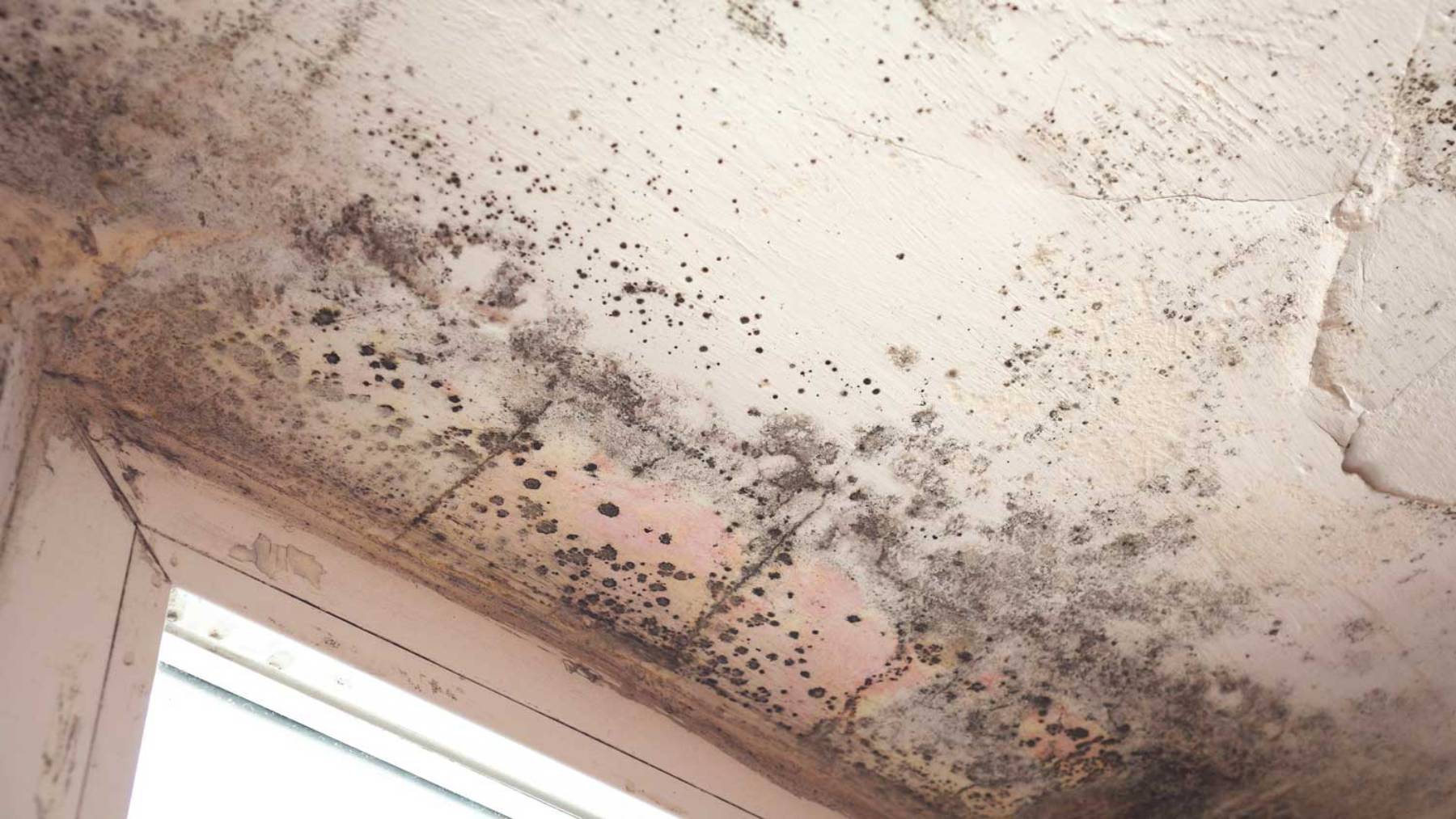
Middle Tennessee doesn’t make it easy on homes. The climate sits in a humid middle ground that encourages mold growth in ways that drier parts of the country don’t contend with. Mold testing in Middle Tennessee isn’t just for homes that obviously have a problem. It’s for buyers and owners who want to know what’s actually going on before a small issue becomes a big one.
Why Tennessee’s Climate Creates Mold Conditions
Nashville and the surrounding region sit in a humid subtropical zone. Summers are hot and wet. Winters are mild enough that structures don’t freeze out moisture the way colder climates do. Spring brings humidity before temperatures fully rise. Fall can hold moisture late into the season.
That combination keeps crawl spaces, attics, basements, and bathroom walls in conditions where mold can grow and spread without much encouragement. A slow roof leak, a dryer vent that isn’t quite making it outside, a crawl space with poor vapor barriers — any of these can create enough sustained moisture for mold to establish itself.
When to Get Mold Testing Done
Mold testing is worth considering in a handful of situations. Buyers purchasing an older Nashville-area home with any history of water intrusion should add mold testing to their inspection package. Homeowners who’ve had a plumbing leak, HVAC condensate issue, or any type of flooding should test before assuming the damage dried out completely.
You should also consider testing if you or a family member starts experiencing unexplained respiratory symptoms at home that clear up when you’re elsewhere. That pattern sometimes points to indoor air quality issues that mold testing can identify or rule out.
What the Testing Process Looks Like
Mold testing and sampling involves evaluating both air quality and surface conditions throughout the home. Air samples get analyzed to identify whether elevated mold spore counts are present in the living areas. Surface samples from areas of concern can identify specific mold species, which matters for determining how to address what’s found.
The results go into a written report. From there, you have real data to work with rather than guessing at what might be behind a wall or in a crawl space.
Crawl Spaces Are the Starting Point in Middle Tennessee
Most mold problems in this region start low. Crawl spaces are common in older Nashville and Middle Tennessee homes, and they’re the single most likely place for moisture to accumulate. When ground vapor is inadequately controlled and ventilation is limited, crawl spaces turn into ideal mold environments. The problem doesn’t stay contained. Mold from a crawl space migrates into the living areas above through gaps in flooring, HVAC returns, and simple air movement.
The Percy Warner Park Area and What Older Homes Carry
Some of Nashville’s most established neighborhoods, like those near Percy Warner Park and Edwin Warner Park on the city’s west side, have beautiful older housing stock that comes with the maintenance needs of older housing stock. The Warner Parks are a genuine Nashville landmark, and homes in their vicinity carry real character alongside the potential for age-related moisture issues that are worth knowing about before purchase.
Testing Is Separate From Remediation
Mold testing tells you what’s present and where. Remediation is a separate process handled by specialists. Testing before remediation establishes a baseline. Testing after remediation confirms the work was done effectively. Independent testing at both points protects you regardless of who does the remediation.
HomeWorx Inspectors, LLC provides mold testing and sampling for buyers and homeowners throughout Nashville and Middle Tennessee. If you want to know what you’re dealing with, schedule your inspection today.
Frequently Asked Questions About Mold Testing in Middle Tennessee
How do I know if I need mold testing?
Any history of water intrusion, a plumbing leak, HVAC condensate problems, or visible discoloration in damp areas are all good reasons to test. You should also consider mold testing in Middle Tennessee if household members are experiencing respiratory symptoms that improve when they spend time away from home.
What’s the difference between mold testing and mold remediation?
Mold testing identifies whether mold is present, where it’s located, and in some cases what species you’re dealing with. Remediation is the actual removal and treatment process, handled by a separate specialist. Testing should happen before remediation to establish a baseline and again after to confirm the work was effective.
Can mold hide in a home that looks clean?
Yes. Mold often grows inside walls, under flooring, above ceiling tiles, and in crawl spaces where it’s not visible during a standard walkthrough. Air quality sampling can detect elevated spore counts even when no visible mold is present, which is exactly why testing goes beyond what the eye can see.
Does mold testing take long?
The testing process itself typically takes an hour or less depending on the size of the home and the number of areas being sampled. Lab results take a few days to come back. Once results are in, you’ll receive a report laying out what was found and where so you can decide how to move forward.